Autumn Pumpkin Wreath
A Craft Fair Designer’s First Look: Warm, Welcoming, and Ready to Sell
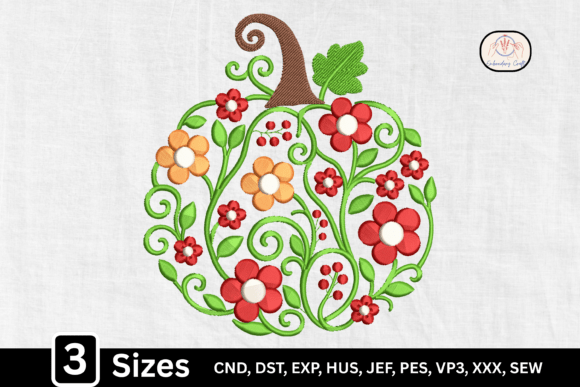
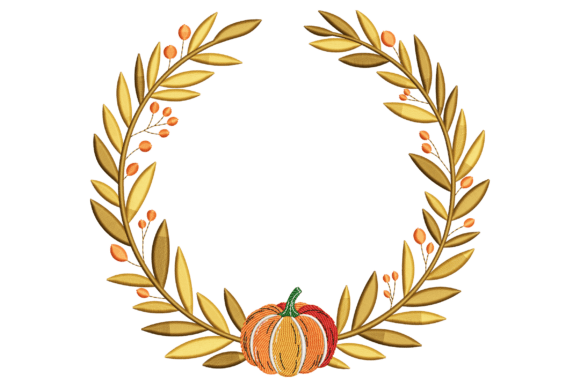
As an embroidery designer who’s prepped over 200 craft fair booths—from Portland bazaars to Midwest holiday markets—I opened the Autumn Pumpkin Wreath embroidery file with one question in mind: Will this stop someone mid-aisle? The answer? Yes—especially when stitched on natural linen tea towels or heavyweight cotton tote bags. This isn’t a loud, cartoonish pumpkin motif. It’s golden-hour warm, softly dimensional, and intentionally open-centered—giving it breathing room on fabric while still reading clearly from six feet away. Customers don’t see “stitch count” or “hoop size.” They see *harvest*, *home*, and *handmade care*. That’s what makes Autumn Pumpkin Wreath a strong candidate for your fall lineup.
Where It Shines: Real Products, Real Booth Impact
On tote bag design, the open-center layout lets the base fabric shine through—ideal for cream, oat, or unbleached canvas. No risk of bulk or stiffness. As apron embroidery, it anchors beautifully above the pocket without overwhelming the silhouette. For tea towel embroidery, the wreath’s circular flow complements standard towel proportions and reads cleanly even after repeated washing (provided proper stabilizer is used). As an embroidered patch, it holds shape well—but avoid scaling below 3.5 inches; tiny vine details soften too much. On pillow covers and small pouches, it adds instant seasonal charm without competing with texture or print. And yes—it works on caps, but only on structured front panels with smooth, medium-weight twill. Skip curved crowns or heavy fleece unless you’ve tested stabilizer layers thoroughly.
What Buyers Notice First (and Why It Converts)
In a crowded craft fair aisle, Autumn Pumpkin Wreath wins with quiet confidence—not novelty. It feels premium because it’s intentional: balanced negative space, layered leaf dimension, and that warm “golden glow” translated through thoughtful thread colors. Buyers associate that look with quality handmade goods—not mass-produced decor. When stitched on a market bag beside a hand-poured soy candle or ceramic mug, it elevates the whole display. It also photographs exceptionally well for Etsy seller listings: no glare, no stitch blur, no confusing background competition. Pair it with a neutral backdrop and soft side lighting, and your printable mockup will outperform flashier, busier designs.
Production Reality Check: Speed, Clarity, and Consistency
This machine embroidery design is batch-friendly. Its moderate stitch density avoids excessive thread breaks or needle heat during long runs—critical when embroidering 30+ tea towels before Saturday morning setup. It scales cleanly between 4" and 6.5", making it versatile across product types without redesign. But here’s the caveat: the inner vine tendrils and small pumpkin stem require sharp needles and tight tension control. On textured towels or looped terry, those fine elements can snag or fuzz. Always run a test on scrap fabric matching your final substrate—and inspect both right-side clarity and backside thread nesting.
Careful-Use Notes Every Embroiderer Should Know
- Dense areas: The clustered leaves near the top-right quadrant carry higher stitch density—watch for puckering on lightweight knits or rayon blends.
- Tiny details: Pumpkin stem and individual berry highlights shrink poorly. Avoid using Autumn Pumpkin Wreath smaller than 3.75" on finished products.
- Dark fabric: The “golden glow” relies on warm-toned thread colors. On navy or charcoal, switch to metallic gold or high-sheen ecru for contrast—don’t assume default yellows will pop.
- Curved surfaces: Not ideal for baseball cap backs or rounded mugs. Stick to flat or gently contoured panels.
- Fabric texture: Avoid highly napped fabrics (like sherpa or thick terry) unless you’re using cutaway + tear-away combo stabilizer and reducing top tension by 1–2 points.
Design Assets That Build Your Brand—Not Just Your Booth
Autumn Pumpkin Wreath strengthens brand consistency across your small shop product range. Use it as a signature motif: same design, different applications—tea towel + matching apron + gift pouch = cohesive gifting set. That cohesion increases average order value and encourages repeat buyers. It also pairs seamlessly with other autumn-themed design assets (think coordinating acorn motifs or wheat sprigs), letting you build a full seasonal collection without visual fatigue. For digital sellers, bundling the digital embroidery file with a printable mockup pack and care instructions boosts perceived value—and reduces post-purchase support requests.
Final Designer Checklist Before You Stitch, List, or Sell
- Test the embroidery file on your exact fabric + stabilizer combo—not just muslin.
- Verify thread color contrast against your base fabric under both daylight and booth lighting.
- Review spacing between elements: ensure no floating stems or disconnected vines at your target size.
- Confirm hoop size compatibility with your machine and intended product (e.g., 5x7" is ideal for most tote bags and tea towels).
- Inspect stitch density in leaf clusters—adjust underlay if needed for stability on stretchy or plush fabrics.
- Use appropriate stabilizer: medium-weight cutaway for knits, tear-away + light cutaway for stable wovens, and fusible + cutaway for towels.
- Create at least one real, photographed finished product—not just a screen mockup—before listing or packing for the fair.
- Compare how the design reads on light vs. dark fabric swatches—don’t rely on the preview image alone.
- Confirm commercial licensing terms are included with your digital embroidery file before offering embroidered items for resale.
Bottom line: Autumn Pumpkin Wreath isn’t just another seasonal craft fair product. It’s a thoughtful, production-smart, customer-attracting handmade product anchor—warm enough for October, refined enough for gifting, and flexible enough to scale across your entire autumn line. Stitch it right, present it simply, and watch it become a quiet bestseller in your booth.